Best Coffee for Camping: What to Bring Outdoors

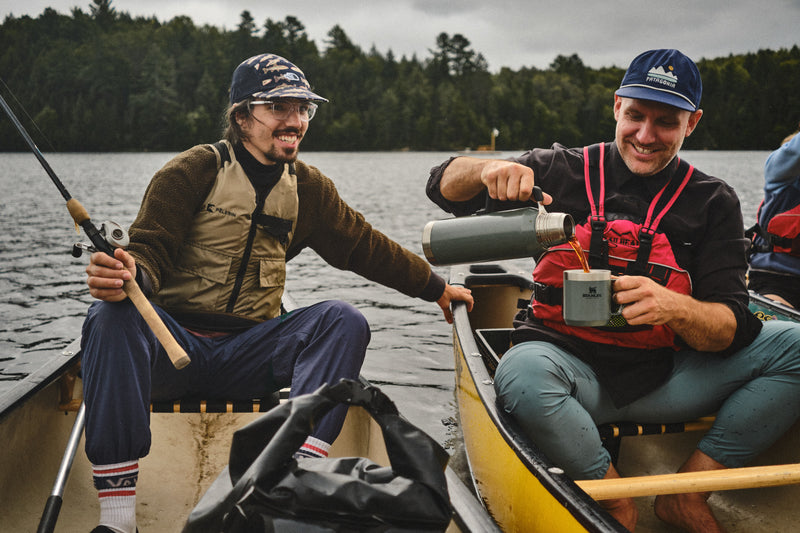
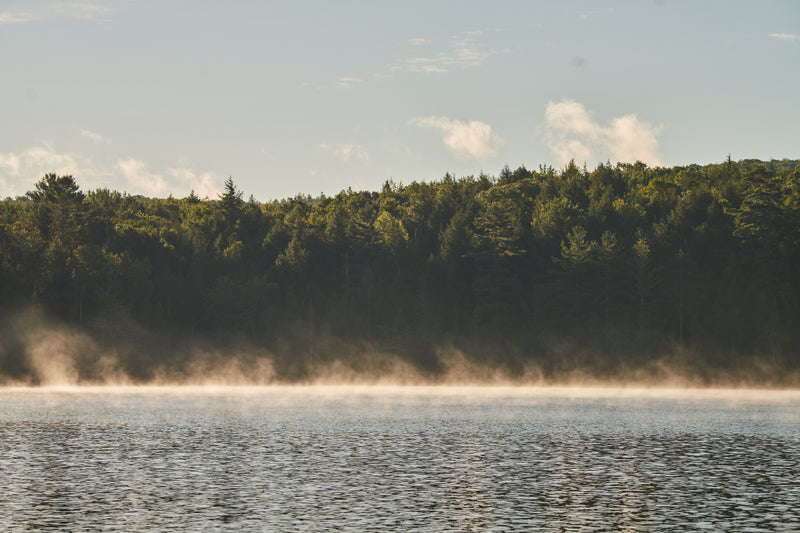
A good camping coffee enjoyed beside a lake or deep in the forest is one of the small pleasures that makes an outdoor trip memorable. Between limited space, no electricity, and the risk of spills in a bag, however, choosing coffee for an adventure requires a little preparation.
The best camping coffee is not necessarily the coffee you drink at home. This article presents the formats that travel best, brewing methods that work without electricity, and practical advice for keeping coffee fresh outdoors.
Why the Right Camping Coffee Matters
Camping creates several challenges for preparing coffee, including the absence of electricity, limited storage space, and sometimes restricted access to clean water. The coffee format, grind, and brewing method must adapt to these conditions rather than trying to reproduce a home routine exactly.
Coffee taken outdoors also needs to withstand humidity, heat, and movement during transportation. The container can therefore matter almost as much as the coffee itself.
Coffee Formats That Travel Well
- Whole beans in a resealable airtight bag, which resist humidity better than ground coffee
- Pre-ground coffee in individual portions so a grinder is not required
- Ready-to-drink coffee or concentrate that needs no brewing on site
- Individual disposable pour-over packets that are lightweight and create little cleanup
- Rigid containers rather than soft bags to prevent crushing inside a pack
The right option depends on the type of trip. Car camping with a cooler allows more flexibility than a self-supported hike where every gram matters.
For your next trip, the mugs and accessories collection pairs well with a portable coffee setup.
Comparing Portable Brewing Methods
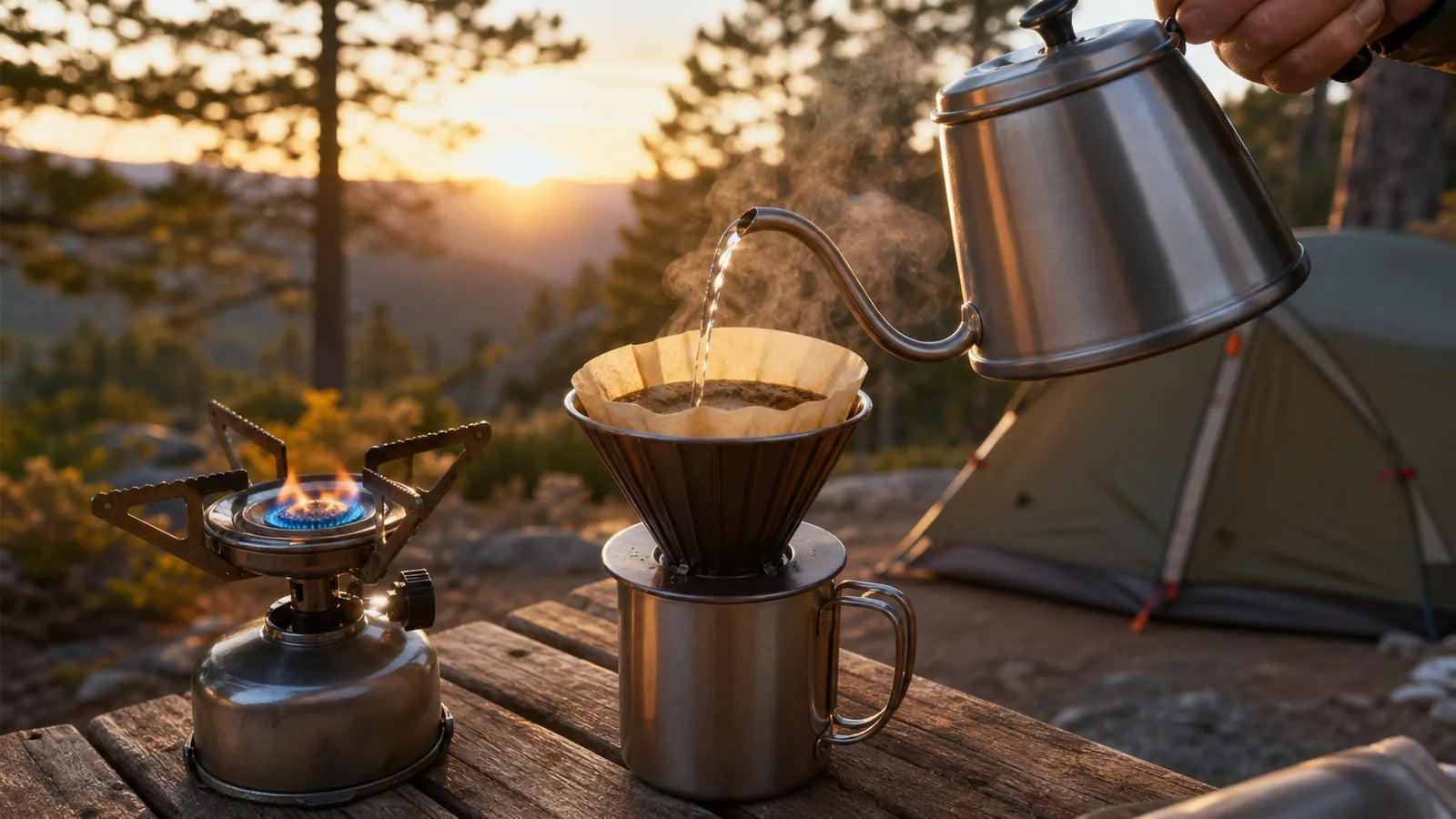
Several methods can prepare coffee without electricity, each offering different advantages depending on the trip. A comparison of outdoor coffee methods explains the trade-offs between weight, simplicity, and cup quality.
| Method | Equipment Required | Preparation Time |
|---|---|---|
| Portable pour-over or folding dripper | Filter and hot water | 3 to 4 minutes |
| Portable press or mini French press | Press and hot water | 4 minutes |
| Traditional camp coffee with grounds in boiling water | Pot and water | 5 minutes including settling time |
| Coffee concentrate or ready-to-drink coffee | None | Immediate |
| Instant coffee | Hot water only | Less than one minute |
A portable pour-over is often the best compromise between cup quality and simplicity because it needs only a lightweight filter and water heated on a stove or campfire. When every gram matters, concentrate or ready-to-drink coffee eliminates brewing equipment entirely.
Keeping Coffee Fresh Outdoors
Humidity is the main enemy of coffee while camping, especially on multi-day trips. As a guide to making coffee without electricity notes, an airtight and preferably rigid container protects coffee from both moisture and crushing.
Bring only the amount needed for the trip rather than carrying a full bag. This limits repeated handling and exposure to the surrounding air. For a longer outing, dividing coffee into sealed individual portions keeps the remaining supply protected.
Adapting Your Choice to the Trip
Outdoor trips vary widely, and the best coffee for a long self-supported trek is not necessarily the best option for a weekend at a serviced campsite. When weight is critical, concentrate or instant coffee is often the most practical choice, even if it involves a compromise in flavour.
For car camping with a cooler and more available space, you can bring a compact hand grinder and whole beans. This allows you to enjoy freshly ground coffee away from home. It requires a little more preparation but suits people who see the coffee ritual as part of the outdoor experience.
Whatever method you choose, test it at home before leaving. It is much easier to correct an equipment or ratio problem in the kitchen than on the trail with no practical alternative available.
Flashbrew for Outdoor Adventures
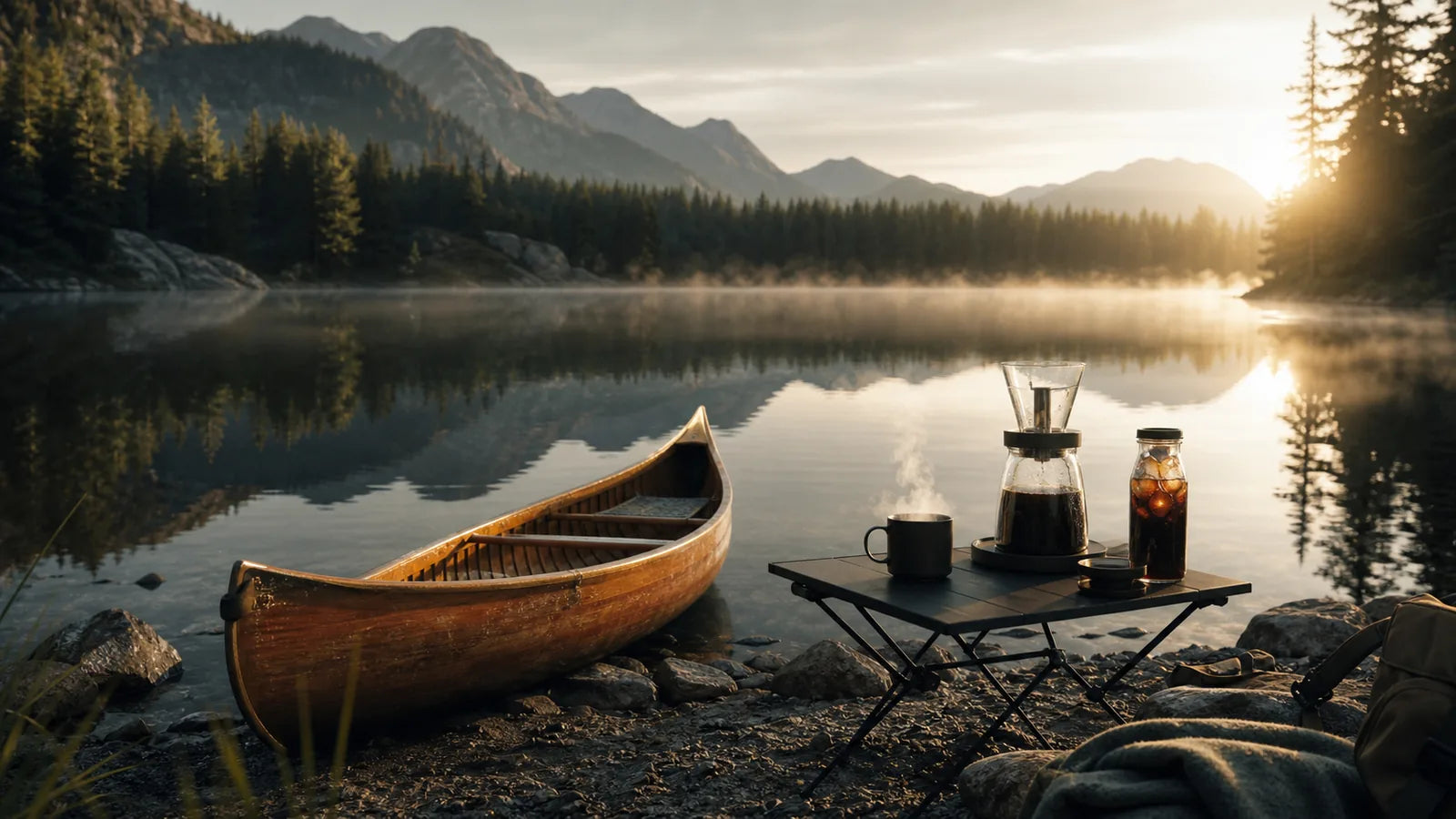
For outdoor trips, a format that requires no grinder or complicated equipment is often the most practical. Flashbrew is ready to drink without brewing on site, making it particularly convenient for canoeing, hiking, or staying at an off-grid cabin.
Campers who prefer to brew on site may find that a medium roast is more forgiving of changes in water temperature than a light roast, making it easier to prepare under variable outdoor conditions.
Conclusion
The best coffee to bring camping depends mainly on the type of trip and the equipment available. Ready-to-drink coffee, a portable pour-over, and well-protected whole beans each offer a suitable solution for a different kind of adventure.
Explore Flashbrew for an outdoor-ready option and pair it with mugs and accessories designed to travel.
FAQ
What is the best coffee to bring camping?
For maximum simplicity, a ready-to-drink option such as Flashbrew removes the need to brew on site. For people who prefer freshly brewed coffee, a portable dripper and pre-measured ground coffee offer a strong compromise between cup quality and easy transportation without heavy or complicated equipment.
Can you bring ground coffee on a hike?
Yes, provided it is kept in an airtight container and divided into individual portions to limit exposure to air and humidity. Ground coffee loses aroma faster than whole beans, so it is better suited to shorter trips than to long expeditions lasting several weeks.
How can you make coffee without electricity?
Several methods work without electricity, including a portable dripper, mini French press, or traditional camp coffee made by boiling grounds in water before filtering. A camping stove or fire can heat the water, while a ready-to-drink format eliminates the need for a heat source altogether.

David Boucher
Author
Founder - CEO
Espresso Beans vs Filter Coffee Beans: What Is the Difference?
Espresso Beans vs Filter Coffee Beans: What Is the Difference?
Read next article